Mölsheim
ZELERWEG AM SCHWARZEN HERRGOTT | VDP.GROSSE LAGE
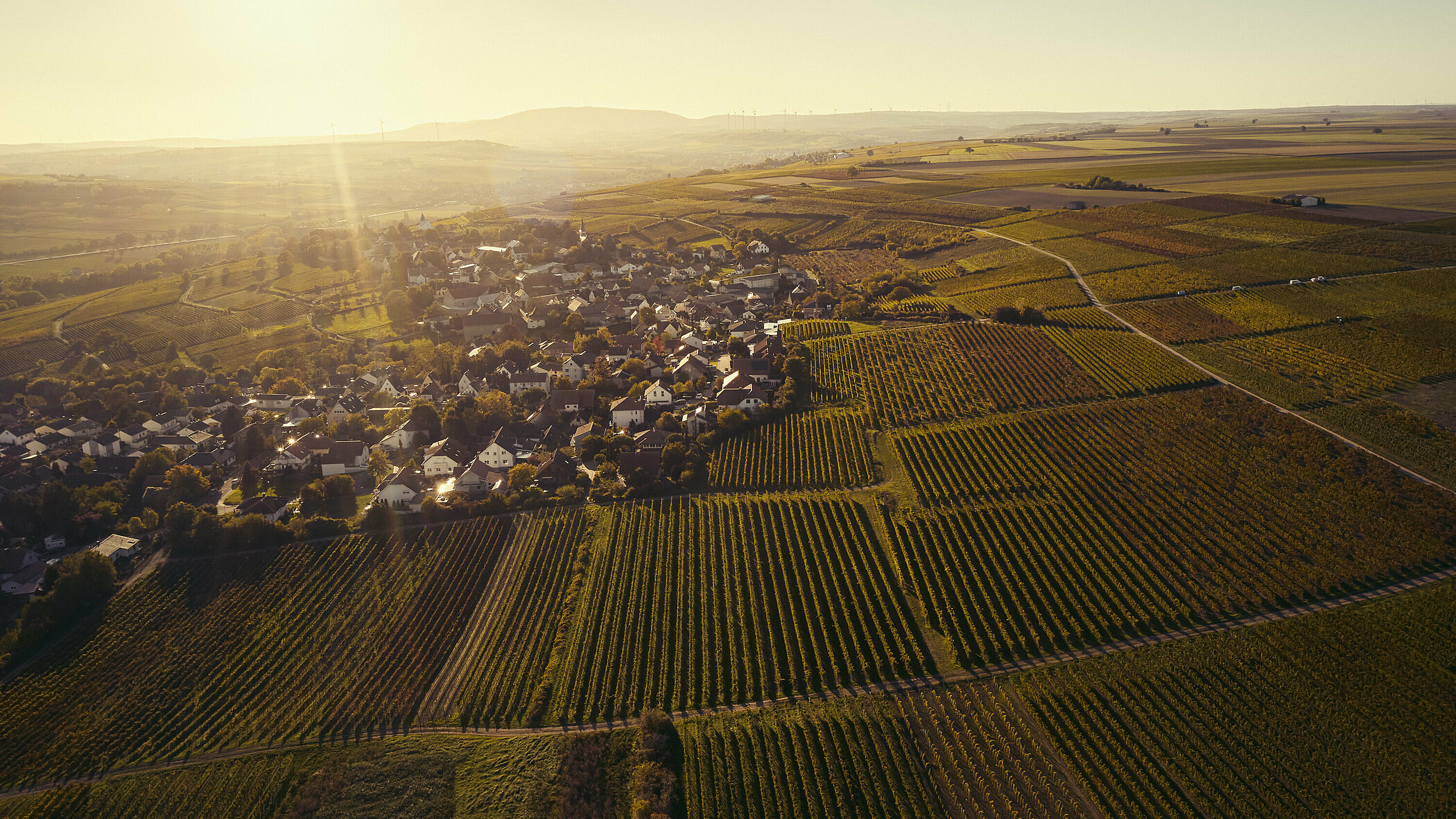
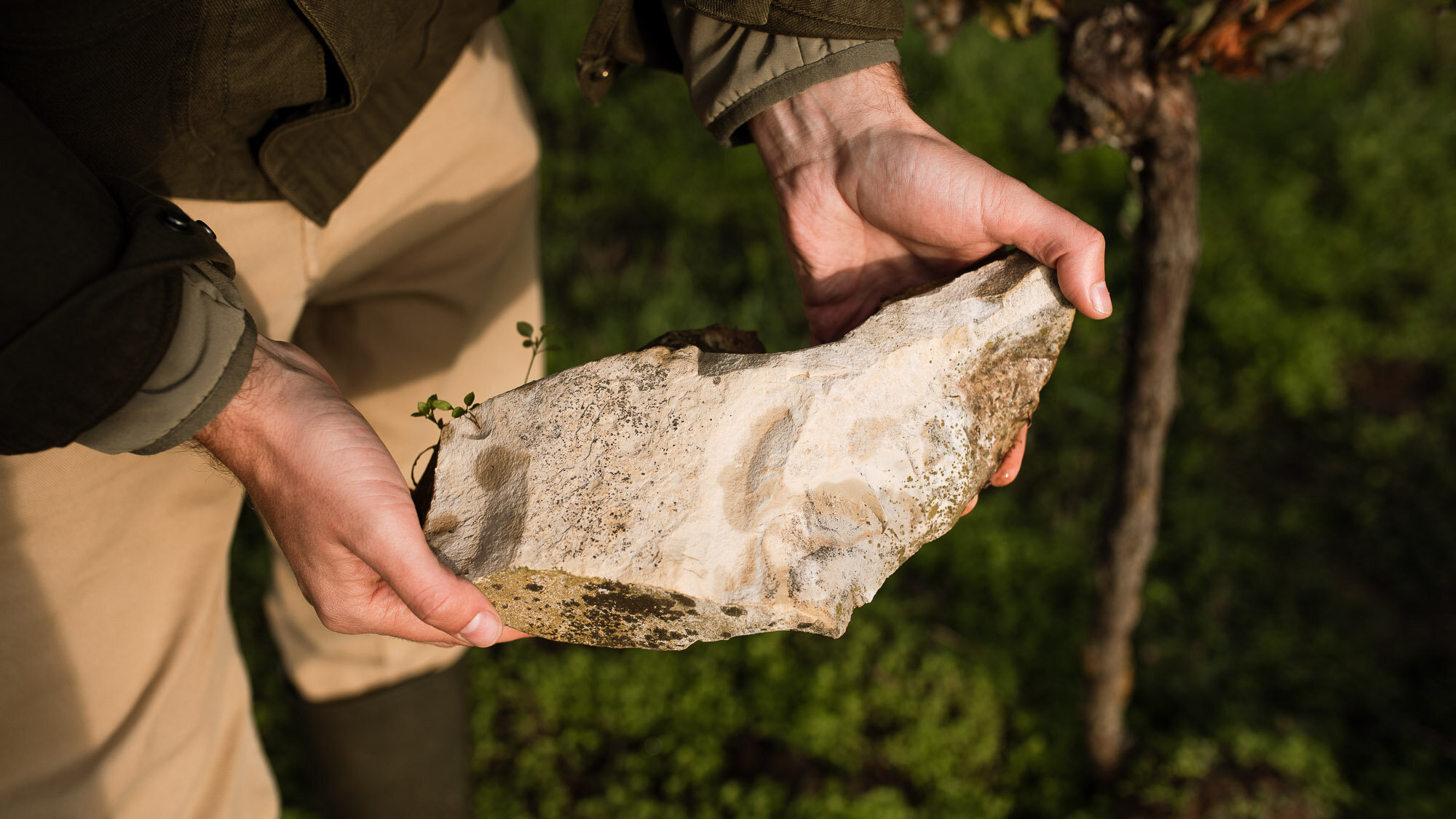
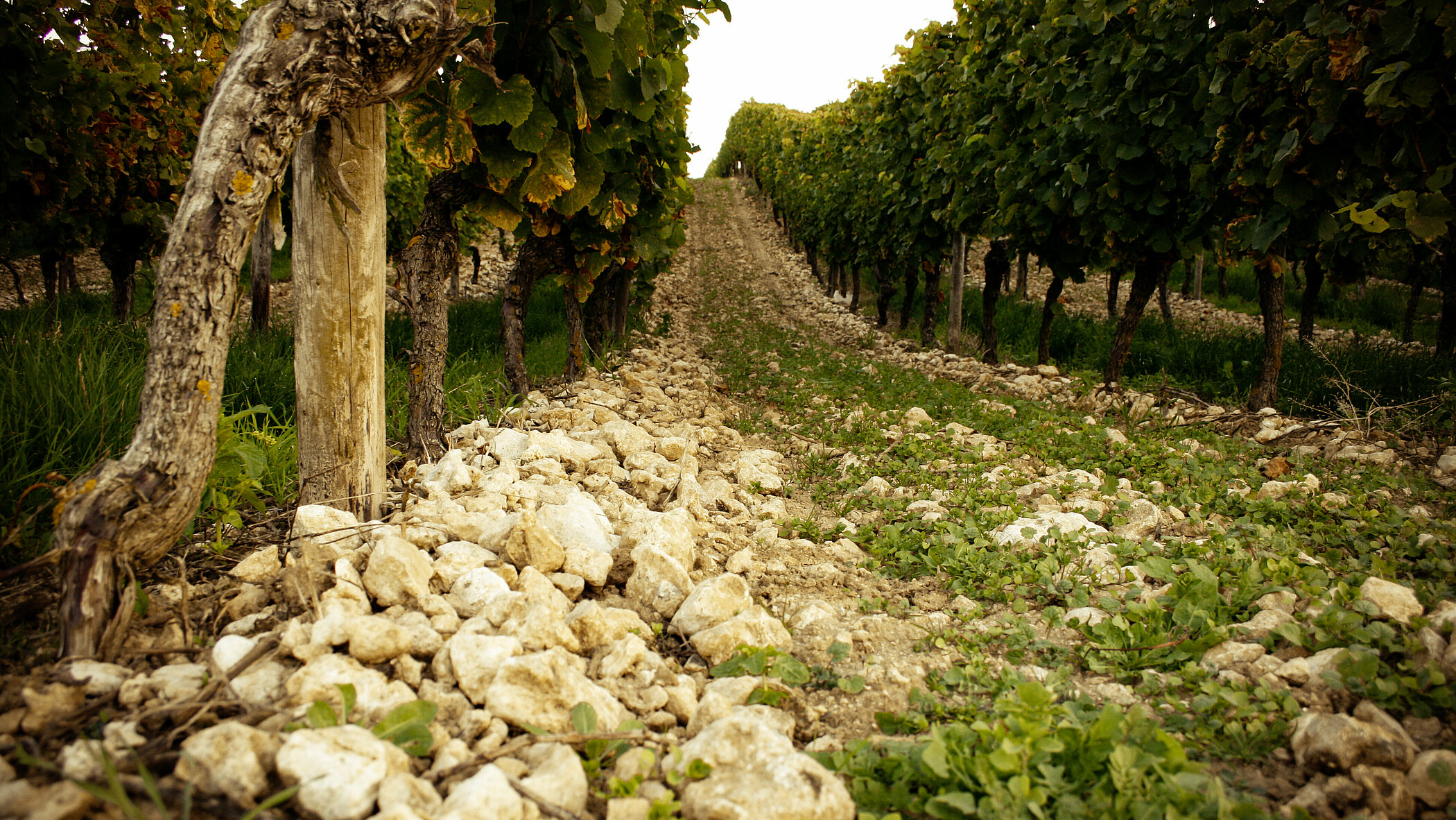
170 - 240 m in elevation, lime/calcareous gravel, 16,94 classified hectares
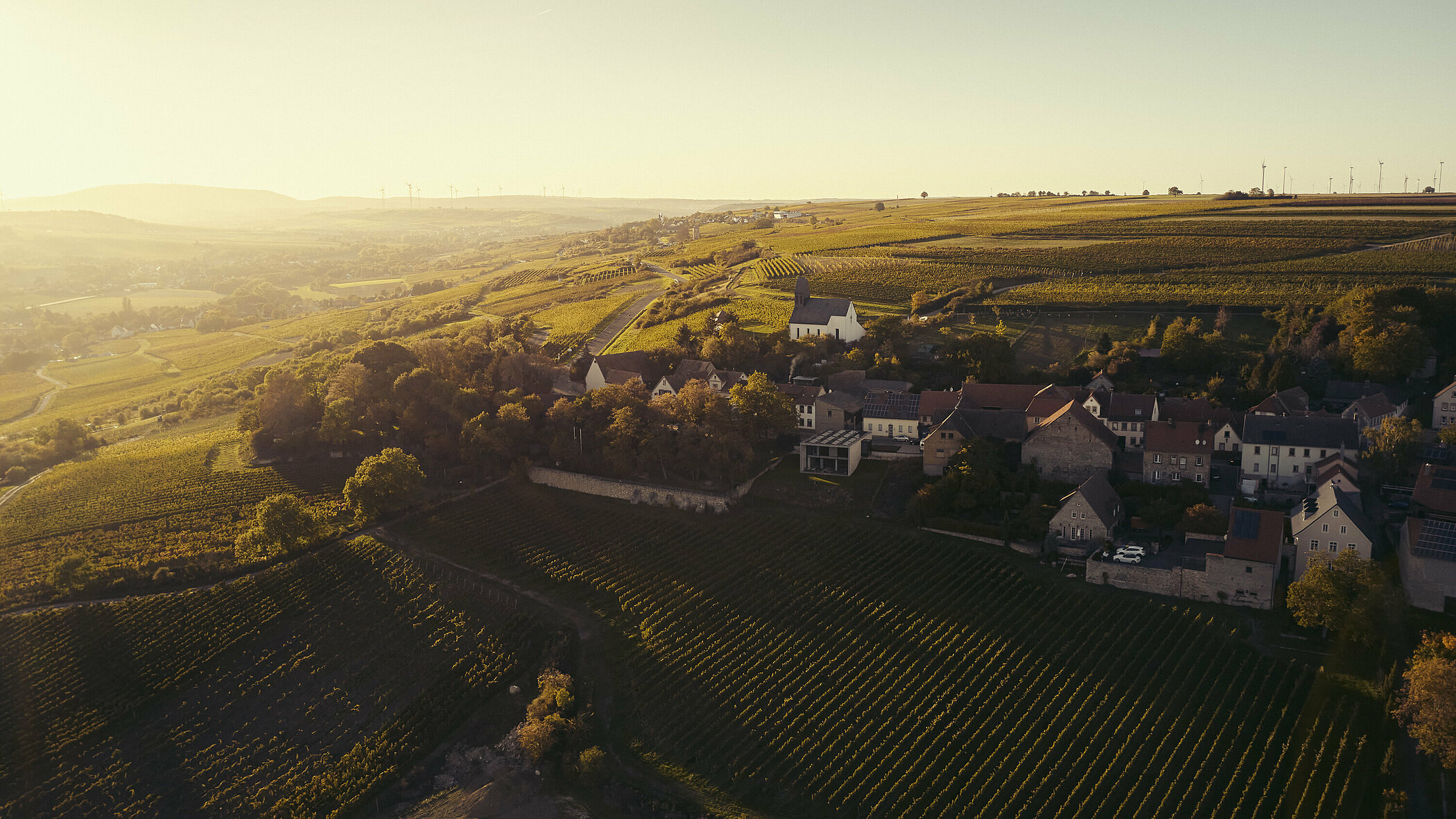
A border runs between Rheinhessen and the Palatinate. On a map, it is clearly defined; in the vineyard, it suddenly becomes abstract. Few sites embody this tension more vividly than Schwarzer Herrgott. History and jurisdiction have divided the landscape, yet the soil tells a different story: one of geological continuity, of movements far greater than the terms by which we administer them.
H.O. Spanier recognized the potential of the Zellertal as early as the late 1990s. At a time when origin and terroir were largely overlooked, he saw the extraordinary promise of this historic vineyard site. Today, Schwarzer Herrgott is considered one of Germany’s most compelling Riesling vineyards. Across much of the site, the vines grow on almost pure limestone, yielding wines of remarkable depth, precision and a profound sense of place.
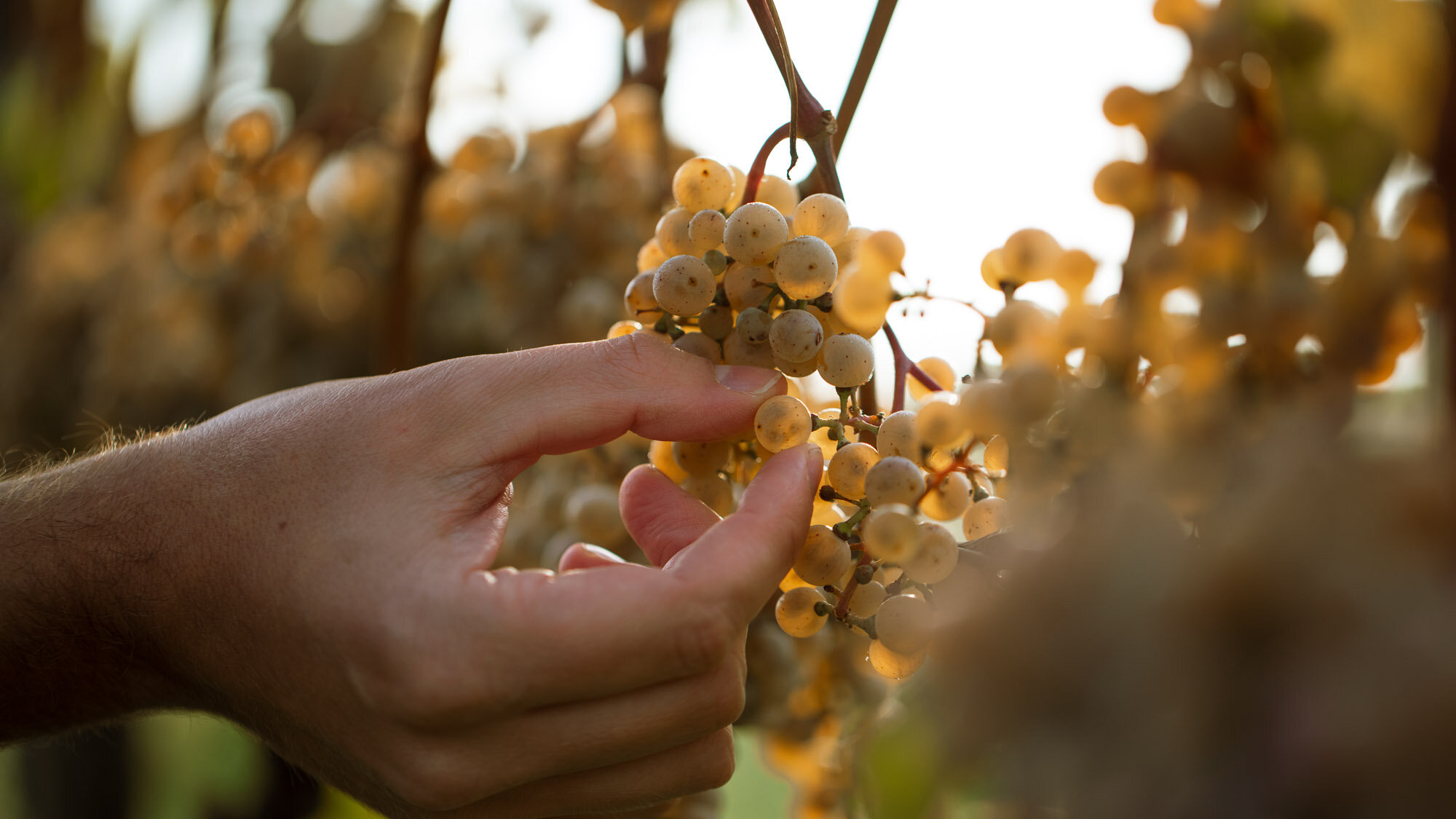
Classified as a VDP.GROSSE LAGE® since 2007, Schwarzer Herrgott produces Rieslings with a distinctive saline and often subtly dark character, combining power, tension, vinosity and sensuality in a truly unique way.
The vineyard’s history reaches back more than 1,300 years. Around 700 AD, records of Saint Philip of Zell mention the site as the source of sacramental wine. The Anglo-Saxon priest lived as a hermit in the Zellertal, was venerated as a saint during his lifetime, and ultimately gave his name to the entire region. In 1307, the vineyard appeared in written records as “an Seller Weg.” Its current name derives from a weathered cross depicting Saint Philip of Zell, which has stood as a landmark of the vineyard for centuries.
“After years of painstaking preparation, this magnificent site is being brought back to life through a wine that not only grows on a border, but also transcends boundaries in character. Riesling from Schwarzer Herrgott is a wine of light, wrested from the shadows. The precision it achieves here is unmatched, even among the austere limestone soils of the Wonnegau. Nothing is incidental, nothing decorative. Every element exists in its purest form and for its own purpose.”
H.O. Spanier